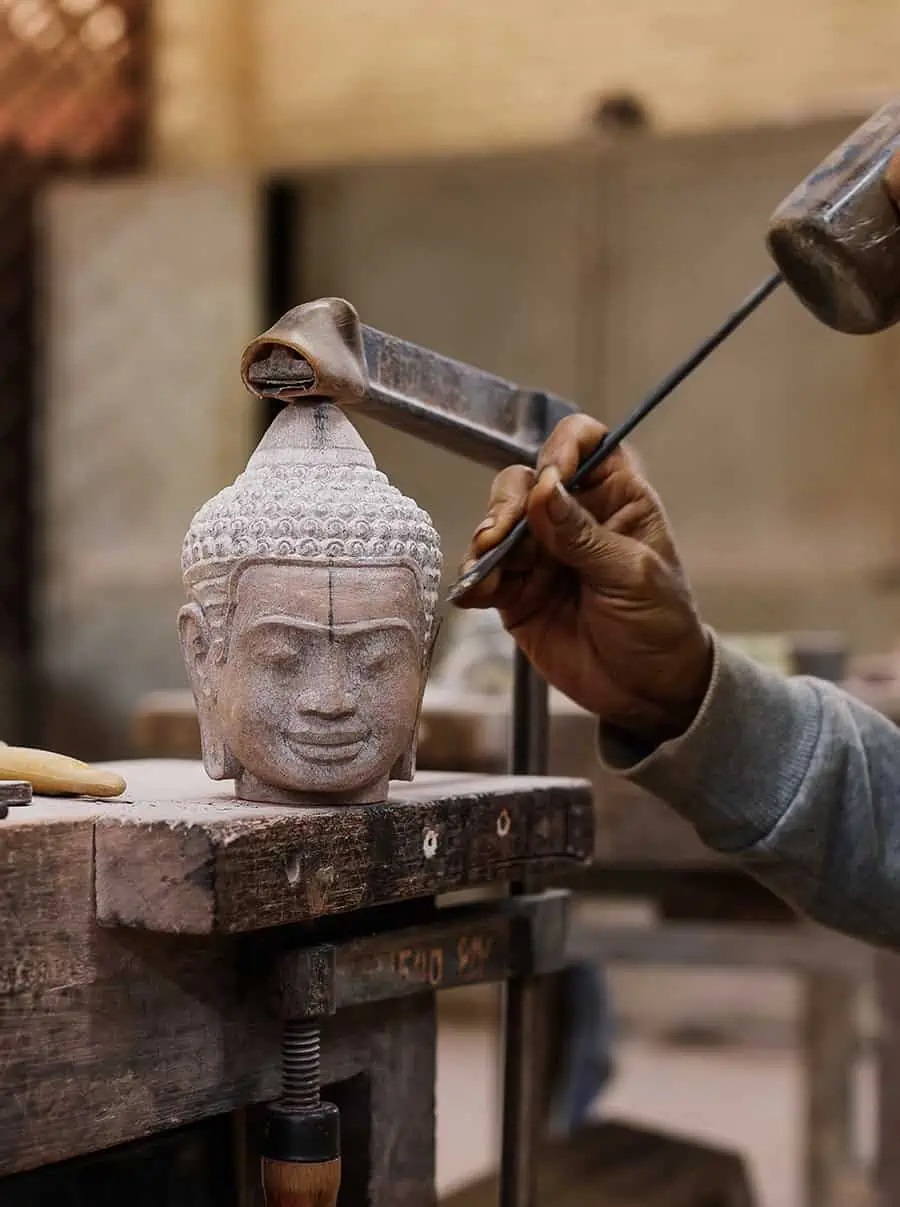
The National Museum of Cambodia (សារមន្ទីរជាតិកម្ពុជា) is the country's premier museum of archaeology, history, and Khmer art. Located in the heart of Phnom Penh, just north of the Royal Palace, it houses more than 14,000 artifacts, making it one of the world's largest collections of Khmer cultural heritage. The collection spans prehistoric Cambodia, the Funan and Chenla kingdoms, the Angkor Empire, and the post-Angkor period.
Whether you're interested in Cambodia's ancient civilization or planning to visit Angkor Wat later in your trip, the National Museum provides valuable historical context that brings Khmer history to life.
National Museum at a Glance
| Information | Details |
|---|---|
| Khmer Name | សារមន្ទីរជាតិកម្ពុជា |
| Location | Street 13, Daun Penh, Phnom Penh |
| Established | Opened in 1920 |
| Collection Size | More than 14,000 artifacts |
| Museum Type | Archaeology, Art & History |
| Recommended Visit | 2–3 hours |
| Best Time | Morning or late afternoon |
Why Visit the National Museum?
The museum is the best place in Cambodia to understand the evolution of Khmer civilization before exploring the country's temples.
Highlights include:
- Cambodia's largest collection of Khmer sculptures
- Masterpieces from the Angkor Empire
- Ancient Hindu and Buddhist statues
- Beautiful traditional Khmer architecture
- Peaceful courtyard gardens
- Historical exhibits spanning over 2,000 years
History
Construction of the museum began in 1917 under the direction of French historian and architect George Groslier, and it officially opened in 1920 during the reign of King Sisowath. The distinctive terracotta-red building combines traditional Khmer architectural elements with French colonial influences, becoming one of Phnom Penh's most recognizable landmarks.
Today, the museum also plays a vital role in conserving Cambodia's cultural heritage, researching archaeological discoveries, and caring for artworks that have been repatriated after being looted during past conflicts. In recent years, Cambodia has successfully recovered dozens of important Khmer artifacts from overseas collections, many of which are now displayed here.
Architecture
The museum itself is an attraction.
Features include:
- Traditional Khmer-style roofs
- Terracotta-red exterior
- Open-air courtyards
- Lotus ponds
- Tropical gardens
- Decorative naga motifs
- Elegant covered walkways
The peaceful central courtyard is a favorite place for visitors to relax between galleries.
Top Exhibits
1. Angkorian Sculptures
The museum's largest collection features statues from the height of the Khmer Empire, including representations of:
- Vishnu
- Shiva
- Buddha
- Apsaras
- Guardian figures
Many sculptures originally came from Angkor temples.
2. The Seated King Jayavarman VII
One of the museum's most iconic works is the serene sandstone portrait of King Jayavarman VII, the ruler who built Angkor Thom and Bayon Temple. It is considered a masterpiece of Khmer sculpture.
3. Bronze Collection
Discover remarkable bronze statues, ritual objects, and ceremonial items that demonstrate the advanced metalworking skills of the Khmer civilization.
4. Ceramics Gallery
The collection includes:
- Khmer pottery
- Chinese trade ceramics
- Storage jars
- Everyday household items
- Decorative vessels
5. Pre-Angkorian Gallery
Learn about the early kingdoms of Funan and Chenla, which laid the foundations for the Angkor Empire.
6. Returned Khmer Treasures
The museum now displays numerous sculptures and artifacts returned from international collections after decades abroad, highlighting Cambodia's ongoing efforts to preserve and reclaim its cultural heritage.
Museum Layout
The galleries are generally arranged by historical period and material, including:
- Prehistoric Cambodia
- Funan & Chenla
- Angkor Period
- Post-Angkor Period
- Stone sculptures
- Bronze collections
- Ceramics
- Ethnographic displays
The National Museum of Cambodia preserves more than 14,000 artifacts that tell the story of Cambodia's civilization from prehistoric times to the modern era. The galleries are generally organized by historical period, artistic style, and material, allowing visitors to trace the evolution of Khmer culture over thousands of years.
1. Prehistoric Cambodia Gallery
Time Period: Approximately 4000 BC – 1st Century AD
This gallery explores the earliest human settlements in Cambodia before the emergence of organized kingdoms.
What You'll See
- Stone axes and polished tools
- Flint blades
- Bronze Age weapons
- Early pottery and ceramics
- Beads made from shell and stone
- Burial artifacts
- Ancient farming tools
Learn About
- Early hunter-gatherer communities
- Development of agriculture
- Bronze and Iron Age technology
- Ancient burial customs
- Trade with neighboring regions
Must-See Highlights
- Bronze drums
- Ancient pottery jars
- Stone adzes
- Early ornaments
2. Funan & Chenla Gallery
Time Period: 1st–8th Century AD
Before the Angkor Empire, Cambodia was ruled by the kingdoms of Funan and later Chenla, which laid the foundations of Khmer civilization.
What You'll See
- Early sandstone sculptures
- Hindu statues
- Vishnu and Shiva sculptures
- Ancient inscriptions
- Religious lintels
- Stone altars
Learn About
- The rise of Cambodia's first kingdoms
- Indian cultural and religious influence
- Early Khmer architecture
- Maritime trade routes
- Sanskrit inscriptions
Must-See Highlights
- Early Vishnu statues
- Harihara sculptures (a combined form of Shiva and Vishnu)
- Ancient Khmer inscriptions
- Temple architectural fragments
3. Angkor Period Gallery
Time Period: 9th–15th Century AD
This is the museum's largest and most impressive section, showcasing the golden age of the Khmer Empire.
What You'll See
- Massive sandstone statues
- Buddha sculptures
- Hindu deities
- Temple carvings
- Pediments
- Decorative lintels
- Royal inscriptions
- Apsara sculptures
Learn About
- The construction of Angkor Wat
- The reigns of Khmer kings
- Hinduism and Buddhism in Angkor
- Temple architecture
- Khmer engineering and craftsmanship
Famous Kings Featured
- Jayavarman II
- Suryavarman II
- Jayavarman VII
Must-See Highlights
- Statue of King Jayavarman VII
- Vishnu sculptures from Angkor Wat
- Bayon Buddha statues
- Apsara carvings
- Temple guardian figures
4. Post-Angkor Gallery
Time Period: 15th Century–Modern Era
This section explains how Khmer art evolved after the decline of Angkor.
What You'll See
- Wooden Buddha statues
- Bronze Buddha images
- Royal ceremonial objects
- Buddhist manuscripts
- Monastic artifacts
- Decorative temple objects
Learn About
- The move of Cambodia's capital southward
- Theravada Buddhism
- Royal traditions
- Cambodian religious life
- Revival of Khmer craftsmanship
5. Stone Sculpture Gallery
One of the museum's most famous collections.
The gallery displays masterpieces carved from sandstone collected from temples across Cambodia.
Types of Sculptures
- Buddha statues
- Vishnu
- Shiva
- Brahma
- Ganesha
- Lokeshvara (Avalokiteshvara)
- Apsaras
- Lions
- Garudas
- Nagas
Artistic Features
- Intricate jewelry
- Elegant facial expressions
- Flowing robes
- Lotus bases
- Decorative crowns
Many sculptures date from the 9th–13th centuries, the height of Khmer artistic achievement.
6. Bronze Collection
The bronze gallery showcases the remarkable metalworking skills of ancient Khmer craftsmen.
What You'll See
- Bronze Buddha statues
- Hindu deities
- Temple bells
- Ritual vessels
- Ceremonial tools
- Bronze animal figures
Learn About
- Lost-wax casting techniques
- Religious ceremonies
- Khmer metallurgy
- Temple rituals
Highlight
Large bronze Buddha sculptures from the Angkor period are among the museum's finest treasures.
7. Ceramics Gallery
This gallery explores Cambodia's ceramic traditions and international trade.
Displays Include
- Khmer pottery
- Chinese porcelain
- Vietnamese ceramics
- Storage jars
- Cooking vessels
- Glazed pottery
- Decorative bowls
Learn About
- Daily life in ancient Cambodia
- International trade
- Kiln production
- Food storage
- Maritime commerce
8. Ethnographi Displays
The ethnographic section introduces Cambodia's cultural diversity and traditional ways of life.
Exhibits Include
- Traditional clothing
- Musical instruments
- Agricultural tools
- Basket weaving
- Religious objects
- Ceremonial masks
- Household utensils
- Handcrafted textiles
Learn About
- Rural Cambodian life
- Traditional occupations
- Festivals and ceremonies
- Indigenous communities
- Handicrafts
- Folk traditions
Temporary Exhibitions
The museum regularly hosts rotating exhibitions featuring:
- Newly excavated archaeological discoveries
- Repatriated Khmer artifacts
- Contemporary Cambodian art
- International museum collaborations
- Special themed exhibitions
If you're a repeat visitor, check the current exhibition schedule before your visit.
Approximate Time Needed
| Gallery | Suggested Time |
|---|---|
| Prehistoric Cambodia | 20–30 minutes |
| Funan & Chenla | 20–30 minutes |
| Angkor Period | 45–60 minutes |
| Post-Angkor | 20–30 minutes |
| Stone Sculpture Gallery | 30–45 minutes |
| Bronze Collection | 20–30 minutes |
| Ceramics Gallery | 15–20 minutes |
| Ethnographic Displays | 20–30 minutes |
Recommended total visit: 2.5–4 hours, depending on your interest in Cambodian history and archaeology.
Best Photography Spots
Photography is not permitted inside the exhibition galleries, but visitors are welcome to photograph:
- The museum's exterior
- The entrance courtyard
- Lotus ponds
- Traditional Khmer architecture
- Gardens
Visitor Information
Opening Hours
- Daily: 8:00 AM – 5:00 PM
- Last admission: 4:30 PM
Guided Tours
Licensed guides are available in several languages, including Khmer, English, French, and Japanese. Guided tours can usually be arranged at the museum entrance.
Nearby Attractions
| Attraction | Distance |
| Royal Palace | 2-minute walk |
| Silver Pagoda | 3-minute walk |
| Sisowath Quay | 5-minute walk |
| Wat Ounalom | 5-minute walk |
| Central Market | 15-minute walk |
Visitor Facilities
Available facilities include:
- Gift shop
- Restrooms
- Cloakroom
- Café
- Courtyard seating
- Guided tours
- Educational publications
Travel Tips
- Visit early in the morning to enjoy a quieter experience.
- Consider touring the museum before visiting Angkor if your itinerary allows—it provides valuable historical context.
- Wear comfortable shoes, as you'll spend several hours walking through galleries.
- Allocate extra time to enjoy the peaceful central courtyard.
- Respect the museum's photography policy inside exhibition spaces.
Suggested Visit
Allow 2–3 hours to explore the museum.
A recommended Phnom Penh cultural itinerary:
- National Museum of Cambodia
- Royal Palace
- Silver Pagoda
- Lunch by Sisowath Quay
- Sunset Mekong River cruise
Frequently Asked Questions
Is the National Museum worth visiting?
Absolutely. It is the best place to understand Cambodia's history, Khmer art, and the civilization behind Angkor.
How long should I spend here?
Most visitors spend 2–3 hours exploring the permanent galleries.
Can I take photos inside?
Photography is generally not allowed inside the galleries, but you may photograph the exterior, gardens, and courtyard.
Is it suitable for children?
Yes. Families interested in history and culture will enjoy the museum, though younger children may prefer a shorter visit.
Best Time to Visit
| Season | Rating | Notes |
| November–February | ⭐⭐⭐⭐⭐ | Cool, comfortable weather |
| March–May | ⭐⭐⭐ | Visit early to avoid the heat |
| June–October | ⭐⭐⭐⭐ | Fewer visitors and lush gardens |
Official Resources
- Official Museum Website: National Museum of Cambodia
- Ministry of Tourism: Tourism Cambodia – National Museum
TravelKH Tips
- Begin with the Prehistoric Gallery and follow the galleries chronologically to understand the development of Khmer civilization.
- Spend extra time in the Angkor Period Gallery, which contains many of the museum's most celebrated masterpieces.
- Consider hiring a licensed guide or renting an audio guide to gain deeper insight into the symbolism, history, and artistic techniques behind the exhibits.
- Since photography is generally not allowed inside the galleries, take your time observing the details and reading the exhibit descriptions.
- Visit the National Museum before the Royal Palace, as the museum's exhibits help explain the symbolism and history you'll see throughout Cambodia.
- Don't rush through the central courtyard—it's one of Phnom Penh's most beautiful and tranquil spaces.
- If you're planning a trip to Siem Reap, pay close attention to the Angkor-era galleries to better appreciate the temples you'll visit later.