Most visitors arrive in Siem Reap with one goal: Angkor Wat.
The Angkor National Museum often becomes an afterthought—or is skipped entirely.
That is a mistake.
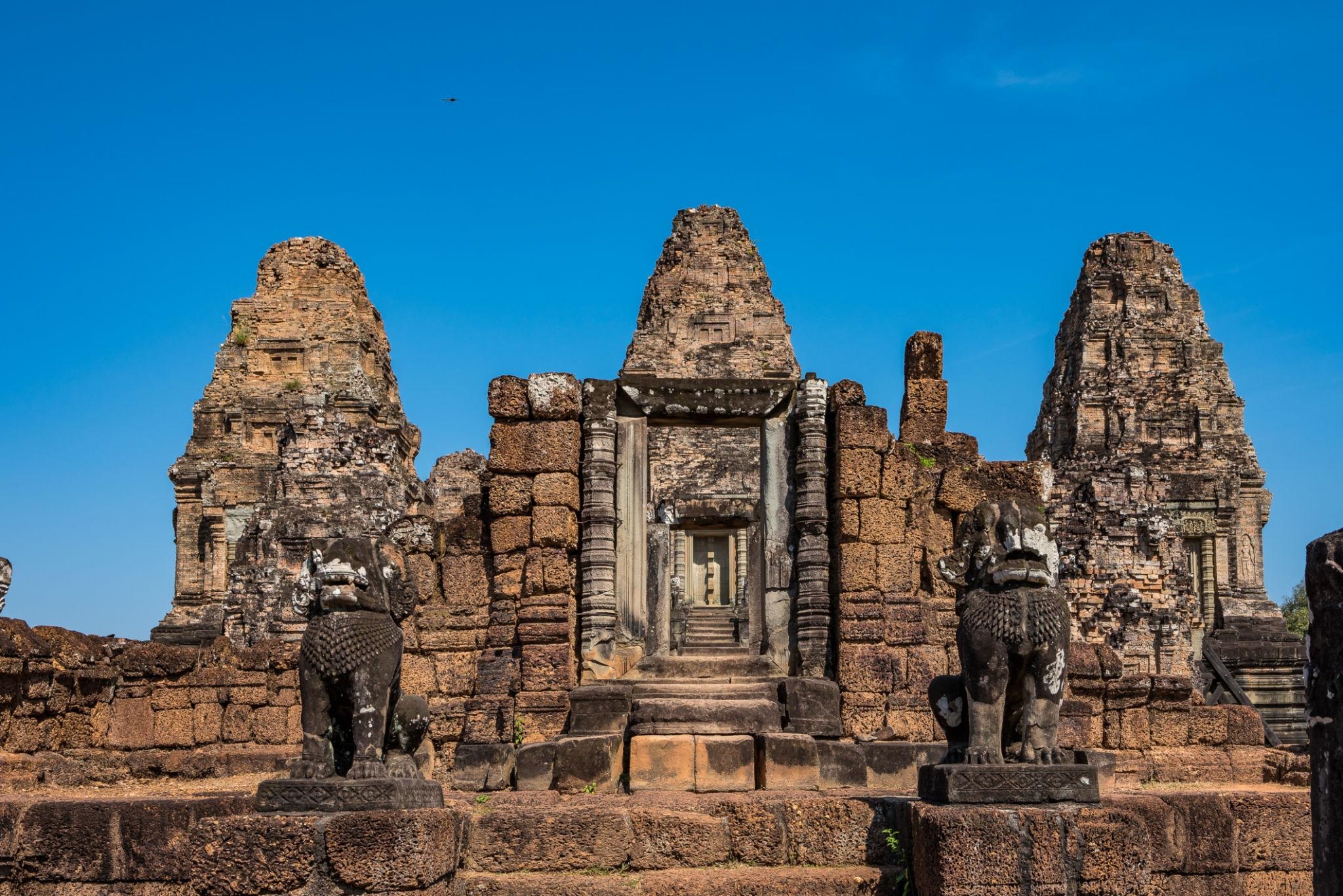
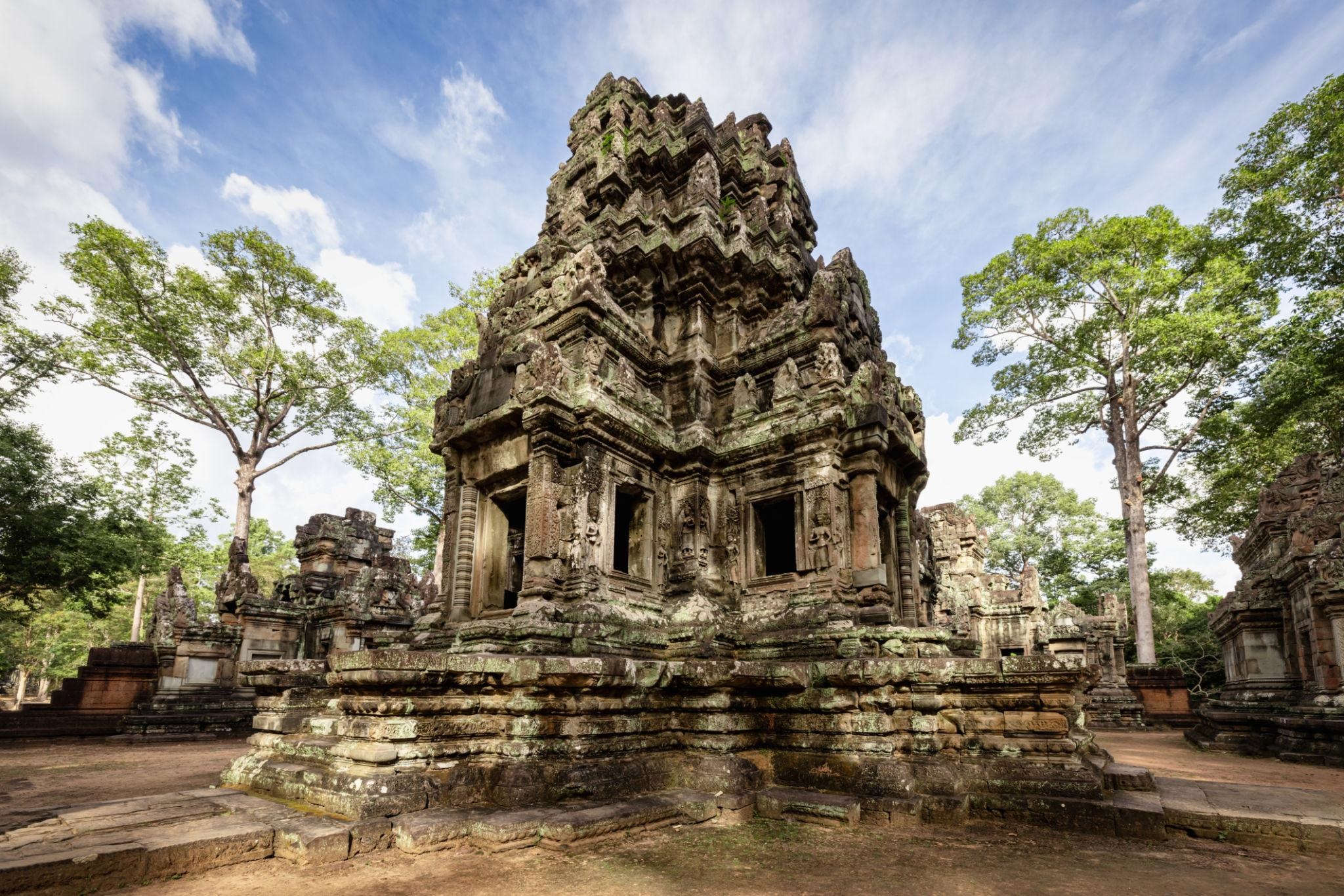
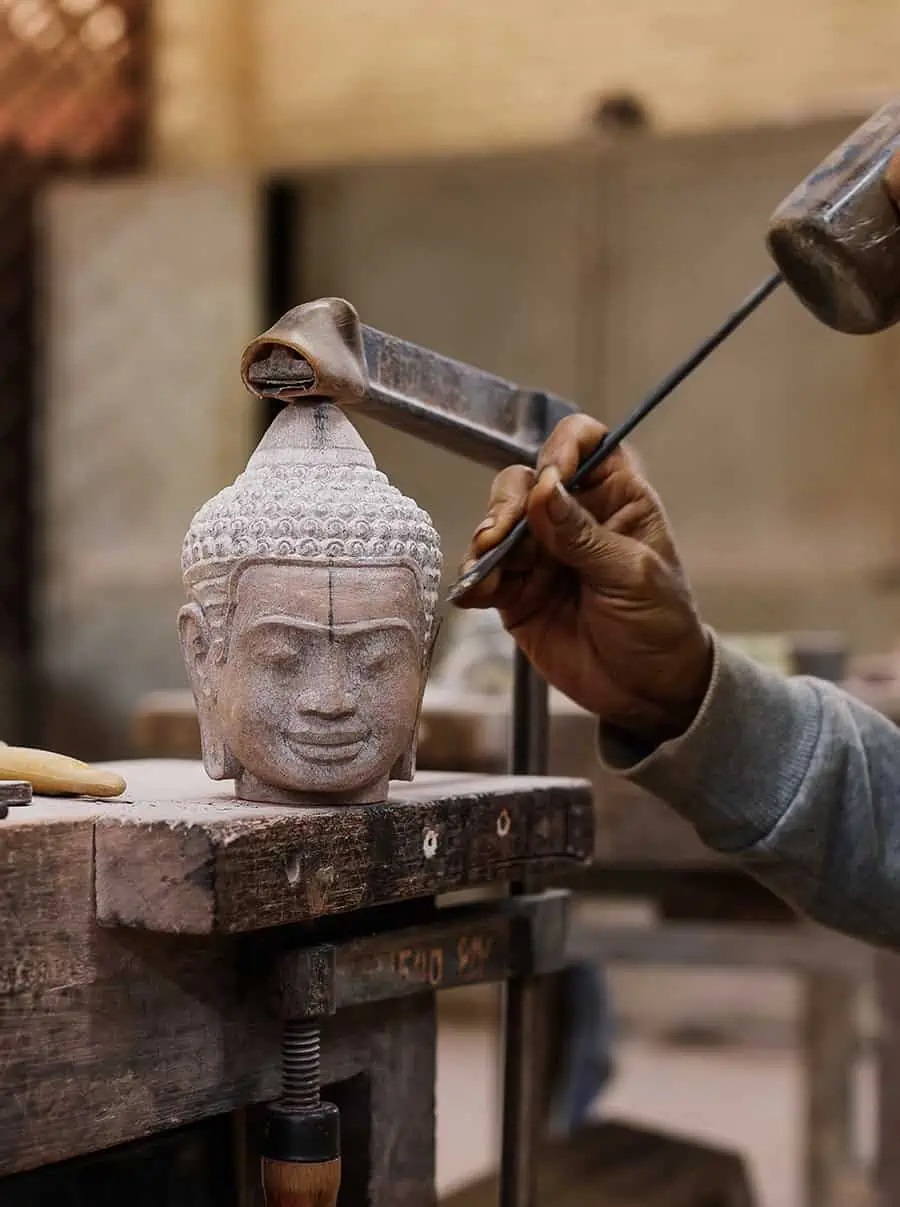
If you visit the museum first, you'll understand the temples in a completely different way. You'll recognize the Hindu and Buddhist symbolism, understand why the Bayon Temple has hundreds of smiling faces, and appreciate the incredible engineering behind the Khmer Empire.
Here are the things that many travel guides don't tell you before visiting Angkor National Museum.
1. Visit the Museum Before Angkor Wat
Many tourists visit after exploring the temples.
In reality, the museum makes much more sense as your first stop.
The museum explains:
- The rise of the Khmer Empire
- Khmer kings and dynasties
- Hinduism and Buddhism in Cambodia
- Temple construction techniques
- Religious symbolism
- How Angkor evolved over centuries
By the time you arrive at Angkor Wat, you'll know exactly what you're looking at instead of simply admiring beautiful ruins. This is a recommendation frequently echoed by experienced travelers.
2. You'll Walk More Than You Expect
Although it's indoors, the museum is surprisingly large.
The building covers multiple themed galleries connected by long corridors.
Expect to spend:
- 1–2 hours for a quick visit
- 2–3 hours if you enjoy history
- Half a day if you read every exhibit and use the audio guide
Wear comfortable shoes—you'll be on your feet most of the time.
3. Don't Skip the Introductory Film
Many visitors rush straight to the galleries.
Instead, begin with the introductory presentation.
It provides valuable background on:
- The Khmer civilization
- Angkor's timeline
- Temple architecture
- Religious beliefs
The short orientation helps connect everything you'll see later in the museum.
4. The Museum Is Air-Conditioned
This might sound simple, but after hours of walking around temples in Cambodia's tropical climate, the museum offers a welcome break.
Many travelers choose to visit:
- Afternoon after a temple tour
- Midday when temperatures are highest
- Rainy afternoons during the wet season
It's one of the most comfortable cultural attractions in Siem Reap.
5. The 1,000 Buddha Gallery Is Stunning
One of the first galleries contains hundreds of Buddha statues displayed together.
Many visitors say it's the most memorable room in the museum because of its peaceful atmosphere and dramatic presentation.
6. The Audio Guide Is Worth Using
The museum contains far more information than what appears on display panels.
An audio guide explains:
- Historical events
- Religious symbolism
- Kings of the Khmer Empire
- Temple construction
- Archaeological discoveries
Audio guides are available in multiple languages, making the visit much richer.
7. Photography Rules Have Changed
Today, visitors are generally allowed to take photos with mobile phones without flash inside most galleries.
Flash photography is not permitted because it can affect sensitive artifacts.
Always follow staff instructions, as some temporary exhibitions may have additional restrictions.
8. Large Bags May Need to Be Stored
Oversized backpacks and luggage are generally not permitted inside the galleries.
Free lockers are available for visitors if their bags exceed the permitted size.
9. The Museum Is Much More Modern Than Most People Expect
Many visitors imagine an old museum with dusty display cases.
Instead, you'll find:
- Modern architecture
- Interactive displays
- Multimedia presentations
- Professional lighting
- Climate-controlled galleries
- Well-organized exhibitions
The museum was designed to provide a modern introduction to Cambodia's ancient history.
10. Eight Galleries Tell One Complete Story
Rather than displaying artifacts randomly, the museum follows a logical sequence through eight themed galleries, covering topics such as:
- 1,000 Buddha Images
- Pre-Angkor Civilization
- Religion and Beliefs
- Great Khmer Kings
- Angkor Wat
- Angkor Thom
- Story from Stones
- Ancient Costumes
Following the galleries in order helps you understand how the Khmer Empire developed over time.
Practical Tips
- Opening Hours: Daily from 8:30 AM. Closing time varies seasonally between 6:00 PM and 6:30 PM.
- Recommended Visit: 2–3 hours.
- Best Time: Early morning or late afternoon for a quieter experience.
- Payment: Major credit cards are accepted.
- Dress Code: Casual attire is acceptable, but respectful clothing is recommended when visiting cultural sites.
Is Angkor National Museum Worth Visiting?
Absolutely.
If you're spending even one day exploring Angkor Archaeological Park, visiting the museum first will greatly enhance your experience. You'll leave with a deeper understanding of Khmer history, religion, and architecture—making every temple visit more meaningful.
For history enthusiasts, photographers, families, and first-time visitors, the Angkor National Museum is one of Siem Reap's most rewarding attractions.
Frequently Asked Questions
Can I visit the museum without visiting Angkor Wat?
Yes. The museum is a standalone attraction and does not require an Angkor Pass.
Is the museum suitable for children?
Yes. Interactive exhibits, multimedia presentations, and spacious galleries make it enjoyable for families.
How long should I spend at the museum?
Most visitors spend between 2 and 3 hours, though history lovers may stay longer.
Should I visit before or after Angkor Wat?
Before. Understanding the Khmer Empire and temple symbolism beforehand makes your temple visits much more rewarding.