
There are two separate attractions with similar names:
| Museum | Location | Main character |
|---|---|---|
| Cambodia War Remnant Museum | Slorkram, Siem Reap | Smaller, community-focused collection with personal stories and landmine-related displays |
| War Museum Cambodia | Sra Nge Commune, near National Road 6 | Larger outdoor military collection with tanks, aircraft, artillery and weapons |
The Cambodia War Remnant Museum is a small, mostly outdoor museum in Siem Reap that introduces visitors to Cambodia’s modern conflict history and the lasting effects of landmines and unexploded ordnance.
Unlike the larger War Museum Cambodia, this museum is known for its more personal and community-focused approach. Its displays include military remnants and weapons, but one of its most meaningful aspects is the opportunity, when available, to hear personal stories from people whose lives were affected by war.
It is worth considering for travellers interested in Cambodian history, post-war recovery and the human impact of conflict. However, visitors should be aware that it is a modest attraction, not a large, professionally curated military museum.
1. Quick Facts
| Information | Details |
|---|---|
| Museum name | Cambodia War Remnant Museum |
| Location | Phum Mondoul III, Sangkat Slorkram, Siem Reap |
| Province | Siem Reap, Cambodia |
| Museum type | War history and military remnants |
| Main focus | Cambodian conflicts, landmines and post-war recovery |
| Opening hours | Listed as daily, 9:00 AM–5:00 PM; confirm before visiting |
| Entrance fee | Around US$5 reported by visitors; confirm current price |
| Suggested visit duration | 30–60 minutes, or longer with a guide |
| Best for | History enthusiasts, educational travellers and visitors interested in humanitarian issues |
2. History of the Cambodia War Remnant Museum
Cambodia experienced decades of conflict during the twentieth century, including the Cambodian Civil War, the Khmer Rouge period and subsequent fighting.
These conflicts left the country with significant quantities of landmines, unexploded bombs and other explosive remnants of war. Many communities continued to face serious risks long after the fighting ended.
The Cambodia War Remnant Museum was established as a place to preserve remnants of this difficult history while supporting education, training and people affected by war and landmines.
The museum describes its mission as creating a place for healing through education, support and opportunities for vulnerable people and landmine survivors.
Its collection and community mission make it different from a conventional military exhibition. The emphasis is not simply on displaying weapons, but also on remembering the people affected by Cambodia's conflicts.
3. What Can You See at the Museum?
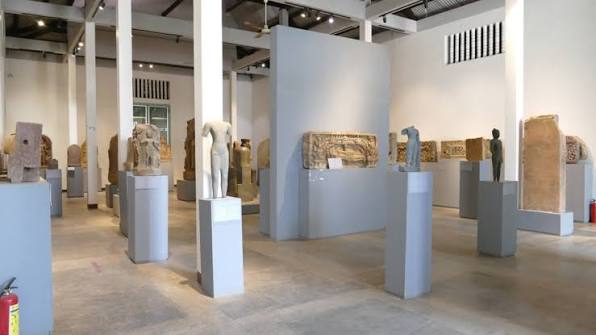
The museum has a modest collection of outdoor and indoor displays. The exhibits and their condition may vary, so visitors should not expect every item to be available or presented in the same way as in a modern national museum.
Military Equipment and War Remnants
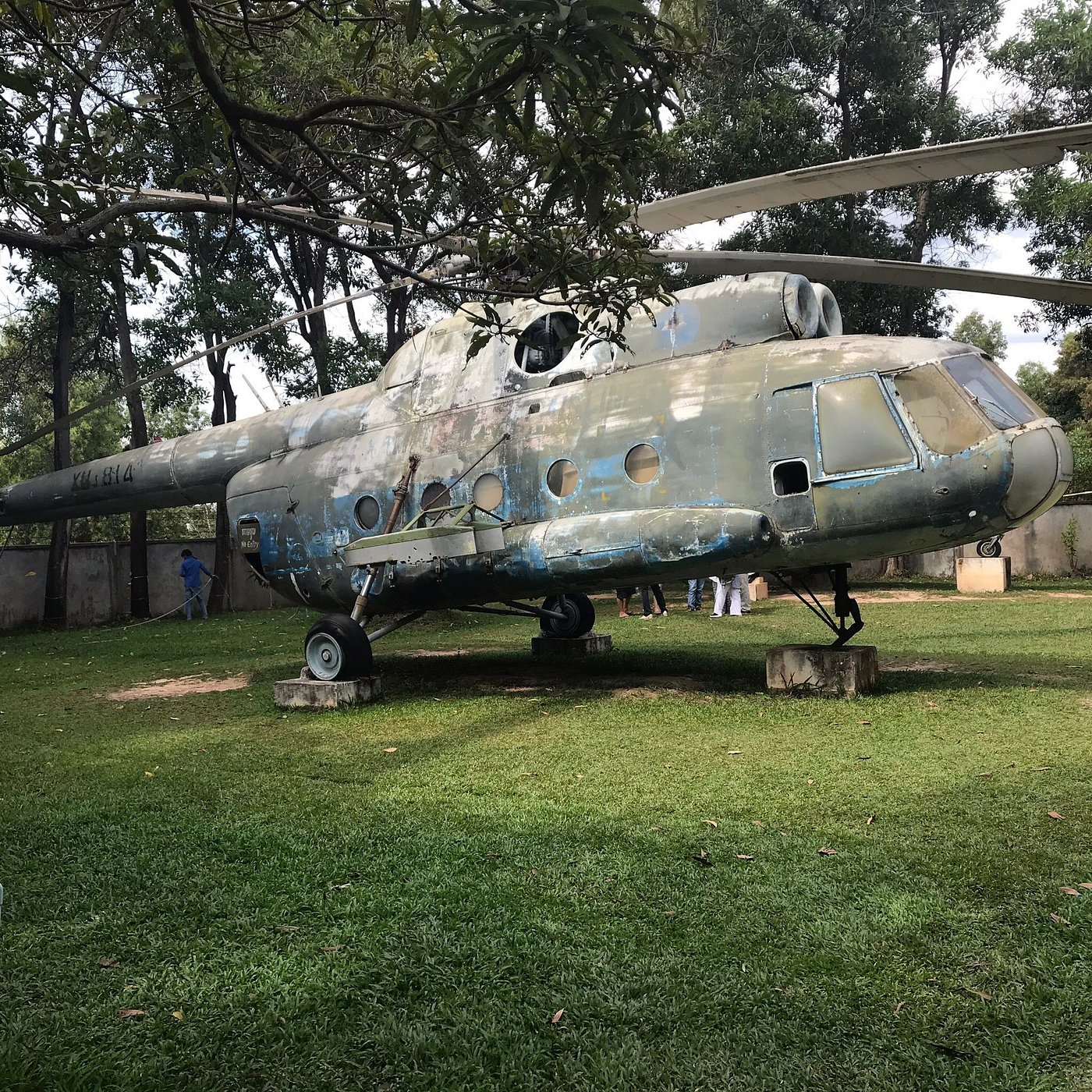
Visitors may see military equipment and remnants connected to Cambodia's conflict history.
The outdoor collection has included:
- Military artillery and equipment
- Weapons and ammunition remnants
- Military objects recovered from conflict areas
- Historical items connected to Cambodia's wartime period
These objects provide a physical reminder of the conflicts that affected Cambodian communities.
Landmines and Explosive Remnants
Landmines remain an important subject in Cambodia's modern history.
The museum includes displays related to landmines and explosive remnants of war. These exhibits help visitors understand the dangers that continued after the end of active conflict.
They also provide context for the work of organisations involved in mine clearance, risk education and assistance to survivors.
Personal Stories and First-Hand Experiences
One of the most meaningful parts of the museum may be the opportunity to speak with people who have personal experience of Cambodia's conflicts.
Past visitors have described meeting former child soldiers and landmine survivors who shared their experiences and explained the impact of war on their lives.
Guide availability can vary, so a personal account should not be assumed to be included in every visit.
Community and Educational Support
The museum has described its work as supporting education, training and opportunities for at-risk people and landmine survivors.
Visitors interested in its social mission can ask staff about current programmes and how entrance fees or donations support the work.
4. Why Visit the Cambodia War Remnant Museum?
There are several reasons to consider including this museum in a Siem Reap itinerary.
Learn about Cambodia beyond Angkor: Most visitors associate Siem Reap with ancient Khmer temples. This museum introduces a different chapter of Cambodian history.
Understand the impact of landmines: Cambodia's landmine problem did not end when the wars stopped. The exhibits help explain the continuing humanitarian consequences.
Hear personal experiences: When a knowledgeable guide is available, conversations can provide valuable context that is difficult to understand from photographs and objects alone.
Support a community-focused initiative: The museum describes an educational and support mission for people affected by war. Ask about its current activities when visiting.
5. Location and How to Get There
The museum is listed at:
855 Phum Mondoul III, Sangkat Slorkram, Siem Reap 17259, Cambodia.
It is within the Slorkram area of Siem Reap. Visitors can reach it by tuk-tuk, taxi or private vehicle from the city centre.
Be careful not to confuse this attraction with War Museum Cambodia, which is a separate museum located in Sra Nge Commune, near National Road 6.
The two museums have similar names but different locations and collections. Show your driver the exact map pin before departing.
6. Road Conditions and Accessibility
The museum is accessible from the Siem Reap urban road network.
- Main access: Use local roads through the Slorkram area.
- Suitable transport: Tuk-tuk, car or motorbike.
- Final approach: Confirm the exact entrance with your driver or map pin.
- Rainy season: Rain may make outdoor exhibition areas muddy or slippery.
- Walking conditions: Expect outdoor displays and potentially uneven ground.
- Accessibility: The outdoor layout and uneven surfaces may make wheelchair or stroller access difficult.
Wear comfortable shoes and bring drinking water, especially during hot weather.
7. Opening Hours and Entrance Fee
Visitor listings report the following information:
| Item | Visitor Information |
|---|---|
| Opening hours | Daily, approximately 9:00 AM–5:00 PM |
| Entrance fee | Around US$5 reported by visitors |
| Visit duration | Approximately 30–60 minutes |
| Guided explanation | May be available, depending on staff availability |
These are indicative figures rather than guaranteed current rates. Confirm the opening schedule and ticket price directly with the museum before travelling.
8. Best Time to Visit
The museum can be visited throughout the year, but morning or late afternoon is generally more comfortable because much of the exhibition is outdoors.
| Season | Recommendation |
|---|---|
| November–February | Comfortable weather for outdoor displays |
| March–April | Visit early to avoid the midday heat |
| May–October | Check rainfall and ground conditions before visiting |
If you would like a guided explanation, contact the museum in advance to ask whether someone will be available.
9. How Long Should You Spend There?
Most visitors can allow around 30–60 minutes for the museum.
However, the experience may take longer if a guide is available and you want to discuss Cambodia's modern history, landmine clearance and personal experiences.
If you are interested in the subject, avoid treating the museum as simply a quick photo stop.
10. Practical Tips Before Visiting
- Confirm the exact location: Do not confuse this museum with War Museum Cambodia.
- Check that it is open: Some online listings show different operating information.
- Ask about a guide: A guided explanation can provide much more context than viewing the objects alone.
- Bring cash: Confirm the current admission arrangements before arrival.
- Wear comfortable shoes: Outdoor displays may have uneven ground.
- Respect the exhibits: Do not handle weapons, ammunition or other objects unless museum staff explicitly permit it.
- Be prepared for sensitive history: Some displays and personal stories may be emotionally difficult.
11. Frequently Asked Questions
Is Cambodia War Remnant Museum the same as War Museum Cambodia?
No. They are separate attractions in Siem Reap. Cambodia War Remnant Museum is listed in Slorkram, while War Museum Cambodia is in Sra Nge Commune near National Road 6.
What is the museum about?
It focuses on Cambodia's conflict history, military remnants, landmines and the experiences of people affected by war.
How much is the entrance fee?
Visitor reports commonly mention around US$5, but the current fee should be confirmed directly with the museum.
Is a guide available?
A guide may be available, but this is not guaranteed. Ask at the entrance or contact the museum before your visit.
Is it suitable for children?
Some displays may be educational, but military objects and the subject of landmines and war can be disturbing. Parents should consider the child's age and sensitivity before visiting.
Is it worth visiting?
It may be worthwhile for travellers interested in Cambodia's modern history and humanitarian issues. It is a small, informal museum, so visitors expecting a large military collection or polished exhibition facilities should adjust their expectations.
12. Final Thoughts
The Cambodia War Remnant Museum offers a different kind of historical experience in Siem Reap. While the city is internationally recognised for Angkor Wat and its ancient temples, Cambodia's more recent history is also an important part of understanding the country.
The museum's collection of war remnants, landmine displays and community-focused mission provides an opportunity to reflect on the human consequences of conflict and the importance of education and recovery.
For visitors interested in modern Cambodian history, it can be a meaningful stop. However, confirm its current operating status and guide availability before making the journey.
TravelKH Tip: If you are interested in Cambodia's war history, consider comparing this museum with War Museum Cambodia, the Cambodia Landmine Museum and the Peace Museum of Mine Action. They cover related subjects but offer different collections and perspectives.
Editorial Disclaimer: Opening hours, entrance fees, guided tours and public access may change. Some historical information and visitor experiences are based on published visitor accounts. Contact the museum directly to verify current arrangements before visiting.