If you want to experience a different side of Cambodia beyond the temples of Angkor, Kampong Phluk Floating Village is worth adding to your Siem Reap itinerary.
Located on the edge of Tonlé Sap Lake, Kampong Phluk is a traditional lakeside community where daily life is closely connected to the changing water levels. Its tall wooden houses, fishing boats, waterways, and flooded mangrove forest create a landscape that looks very different from ordinary Cambodian villages.
A boat trip through Kampong Phluk offers visitors a glimpse into how local families live, work, travel, and adapt to the seasonal rise and fall of the lake.
Whether you visit during the rainy season or dry season, the village offers a memorable cultural and nature experience.
Quick Facts About Kampong Phluk Floating Village
| Information | Details |
|---|---|
| Destination | Kampong Phluk Floating Village |
| Khmer name | កំពង់ភ្លុក |
| Location | Kampong Phluk Commune, Prasat Bakong District, Siem Reap Province |
| Nearby lake | Tonlé Sap Lake |
| Distance from Siem Reap | Approximately 30 km southeast |
| Travel time | Around 45–60 minutes by road, depending on conditions |
| Main attraction | Stilt houses, boat trips, flooded forest, local community |
| Recommended visit | Half a day |
| Best season for flooded forest | Generally August–December, depending on water levels |
| Main activities | Boat sightseeing, photography, observing local life, mangrove boat ride |
| Entrance arrangement | Community boat ticket and applicable local fees; not covered by Angkor Pass |
| Suitable for | Couples, families, photographers, and cultural travelers |
Distances and seasonal descriptions are approximate. Water levels, departure points, and boat arrangements can change throughout the year.
1. What Is Kampong Phluk Floating Village?
Kampong Phluk is a traditional community located along the Tonlé Sap floodplain in Siem Reap Province.
The village is famous for its houses built on tall wooden stilts. These structures allow residents to live in an area where water levels change considerably between the dry and rainy seasons.
During the rainy season, rising water surrounds the houses and covers much of the surrounding landscape. Boats become an important means of transportation, and visitors can travel through the village by motorboat.
During the dry season, the water retreats, revealing the long supporting stilts beneath the houses. Roads and land areas that were previously underwater become accessible.
Unlike a purpose-built tourist attraction, Kampong Phluk is a working community. Residents continue their everyday activities, including fishing, trading, education, and household life.
2. Why Are the Houses Built So High?
One of the first things visitors notice is the height of the houses.
Many traditional homes are built on tall wooden or concrete supports to adapt to the dramatic seasonal changes in Tonlé Sap's water level.
During the dry season, the houses may appear to stand several metres above the ground. When the rainy season arrives, the surrounding water rises and can reach much closer to the living areas.
This architectural adaptation helps residents continue living in the same community throughout the year.
It also explains why Kampong Phluk looks so different depending on when you visit.
3. What Makes Kampong Phluk Special?
Tall stilt houses
The tall houses are the village's most recognizable feature. They create an unusual landscape, especially when viewed from a boat moving through the waterways.
Visitors can see homes, community buildings, and other structures raised above the floodplain.
Traditional fishing lifestyle
Fishing is an important part of life around Tonlé Sap Lake. During a visit, you may see fishing boats, nets, fish-related activities, and residents traveling between different parts of the community.
A local guide can explain more about how families depend on the lake and adapt to seasonal changes.
Flooded mangrove forest

One of the most memorable experiences during high-water periods is the optional small-boat ride through the flooded forest.
Local boat rowers take visitors through narrow waterways surrounded by trees. The experience offers a quieter perspective of the lake's natural environment.
The flooded forest is seasonal. It may not be accessible when water levels are too low.
Local community experience
Kampong Phluk provides an opportunity to learn about life outside Siem Reap city.
You can observe the relationship between the community, water, fishing, and the surrounding environment.
Remember that this is people's home, not simply a tourist attraction. Be respectful when taking photographs.
4. Where Is Kampong Phluk Floating Village?
Kampong Phluk is located approximately 30 km southeast of Siem Reap city, in Prasat Bakong District.
The destination is reached by road before continuing by boat through the village and toward Tonlé Sap Lake.
Google Maps: Search for "Kampong Phluk Floating Village" or confirm the correct boat ticket office and departure point with your driver.
How to get there
| Transportation | Suitable for | Travel advice |
|---|---|---|
| Private car | Families and couples | Comfortable for the journey from Siem Reap |
| Tuk-tuk | Budget travelers | Agree on the round-trip price and waiting time |
| Private van | Groups and families | Convenient for larger groups |
| Guided tour | First-time visitors | Often includes hotel pickup, transport, and boat arrangements |
| Motorbike | Experienced riders | Check the road and weather conditions before leaving |
Most visitors arrange transportation from Siem Reap and take a motorized boat from the local departure area.
The exact boarding point may change with the water level. Confirm the location with your driver rather than relying on an old map pin.
5. Road Conditions & Accessibility
The journey from Siem Reap to Kampong Phluk is relatively straightforward compared with some remote countryside destinations. However, road conditions can vary, especially during the rainy season.
Road surface and vehicle recommendations
- Main route: The journey follows roads southeast from Siem Reap toward Prasat Bakong and Kampong Phluk.
- Final approach: The last section may include narrower local roads. The exact access route and boat departure point can vary.
- Suitable vehicles: A standard car, van, or tuk-tuk is generally used for the trip, depending on current road conditions.
- Motorbikes: Riders should be prepared for dust, uneven surfaces, and changing weather.
- Walking: Visitors may need to walk around the ticketing or boarding area before getting onto a boat.
Rainy-season considerations
Heavy rainfall may affect local roads and access to the boat departure area. Some sections may become muddy or difficult to travel through.
Water levels also affect where boats can operate. During high-water periods, boats may be able to reach closer to the village. During the dry season, visitors may need to travel farther along the access road to reach the water.
Accessibility for visitors
The main experience is boat-based, so visitors should be comfortable stepping on and off a boat.
Some boarding areas may have uneven surfaces or limited facilities. Travelers with mobility difficulties should confirm the boat and boarding arrangements before booking.
Travel advice: Ask your driver or tour operator about current road conditions, the departure point, and whether the flooded forest boat ride is operating on your visit date.
6. Kampong Phluk Boat Tour and Entrance Fee
There is no Angkor Pass requirement for visiting Kampong Phluk. The main expense is the local boat trip and any additional activities.
Pricing can vary depending on the boat, group size, operator, and package inclusions.
A published local attraction guide updated in January 2026 lists the following standard rates:
| Activity | Published price | Details |
|---|---|---|
| Main village boat | US$20 per boat | Small boat seating up to six people, according to the published listing |
| Flooded forest paddle boat | Additional US$5 per person | Optional small-boat experience |
| Eco-tourism management fee | US$2 per person | Additional local fee listed by the attraction guide |
| Road transportation | Varies | Depends on vehicle and pickup location |
Important pricing note: Other tour operators advertise per-person packages, and prices can differ from the published small-boat rate. Always confirm whether a quote is per person or per boat, how many people are included, and which fees are covered.
Before paying, ask:
- Does the price include the main motorboat?
- Is the community fee included?
- Is the flooded forest ride included or optional?
- How long is the boat trip?
- Are there any additional charges?
Bring small cash denominations and request a clear breakdown before boarding.
7. Best Time to Visit Kampong Phluk
The best time depends on what you want to experience.
Rainy season: August–December
This is generally the most popular period for seeing Kampong Phluk surrounded by water.
During these months:
- Water rises around the stilt houses.
- Boats travel through the village waterways.
- The flooded forest may become accessible.
- The surrounding landscape looks greener.
- Sunset boat trips can offer beautiful views over the lake.
October and November are often particularly interesting months, although actual water levels vary each year.
Dry season: January–May
During the dry season, the lake gradually retreats.
Visitors may see:
- Tall houses standing above exposed ground.
- More visible supporting structures beneath the houses.
- Local activities taking place on land.
- Different views of the village compared with the rainy season.
The flooded forest boat ride may not operate when the water is too low.
Seasonal comparison
| Season | Village appearance | Flooded forest | Recommended for |
|---|---|---|---|
| August–September | Water begins rising | Depends on water level | Early wet-season scenery |
| October–December | Often surrounded by water | More likely to be accessible | Classic floating-village experience |
| January–February | Water gradually recedes | May be limited | Seeing the transition between seasons |
| March–May | Much lower water levels | Generally unavailable | Observing stilt houses and dry-season life |
| June–July | Water begins rising again | Usually depends on rainfall | Travelers interested in seasonal changes |
These are general patterns, not guaranteed operating dates. Check local conditions before booking.
8. Things to Do at Kampong Phluk Floating Village
Take a motorboat through the village
The main activity is traveling by motorboat through the waterways.
You can see houses, community buildings, fishing boats, and everyday activities from the water.
It is also the best way to understand how the village is organized around seasonal flooding.
Explore the flooded forest by small boat
When water levels allow, visitors can take an additional paddle-boat ride through the flooded forest.
Unlike the motorboat, the smaller boat moves slowly through narrow waterways, giving visitors more time to enjoy the surrounding trees and natural scenery.
This activity is generally operated by local rowers and is often an optional extra.
Visit Tonlé Sap Lake
Some boat trips continue beyond the village toward the open lake.
The view becomes wider, and visitors can experience the scale of Tonlé Sap and its surrounding wetland landscape.
Depending on the package, the boat may stop near a floating structure or viewing area.
Enjoy sunset over the lake
An afternoon trip can offer a chance to see the sunset over Tonlé Sap.
However, remember to confirm the return transport arrangement and allow enough time to travel back to Siem Reap safely.
Learn about local life
A guided visit can help explain the village's fishing activities, seasonal flooding, housing style, and relationship with the lake.
This context makes the experience more meaningful than simply taking a boat ride.
9. How Long Should You Spend at Kampong Phluk?
A half-day trip is usually enough for the main village experience.
| Activity | Estimated time |
|---|---|
| Drive from Siem Reap | 45–60 minutes each way |
| Ticketing and boarding | 15–30 minutes |
| Main village boat trip | Approximately 1–1.5 hours, depending on route |
| Optional flooded forest ride | Depends on route and local arrangements |
| Lake and sunset experience | Depends on tour package |
| Total visit | Approximately 4–5 hours |
If you want to enjoy the village slowly, take the flooded forest boat ride, or stay for sunset, allow additional time.
10. Suggested Half-Day Itinerary
Morning visit
| Time | Activity |
|---|---|
| 7:30 AM | Depart from your hotel in Siem Reap |
| 8:15 AM | Arrive at the ticketing or boat departure area |
| 8:30 AM | Begin the motorboat journey |
| 9:00 AM | Explore the stilt-house village |
| 9:45 AM | Optional flooded forest paddle-boat ride, if available |
| 10:30 AM | Continue toward the lake, depending on the tour |
| 11:00 AM | Return toward the departure point |
| 11:30 AM–12:00 PM | Travel back to Siem Reap |
This is an example itinerary. Actual timings depend on water levels, boat arrangements, and the operator.
11. Responsible Tourism: How to Visit Respectfully
Kampong Phluk is home to local families. Visitors should remember that the community is not a staged attraction.
Here are a few ways to make your visit more responsible:
- Respect residents' privacy. Ask permission before photographing people, especially children.
- Support local services. Use clearly priced local boat services and community activities.
- Avoid littering. Take plastic bottles and rubbish back with you.
- Do not disturb wildlife. Observe birds and other animals from a respectful distance.
- Be careful with donations. Do not feel pressured to buy products or make donations during a tour.
- Choose a transparent tour. Confirm what is included and how much goes toward local services.
Responsible tourism helps visitors enjoy the destination while respecting the people who live there.
12. What to Bring
- Sunscreen and sunglasses
- Hat or cap
- Drinking water
- Insect repellent
- Camera or phone
- Cash in small denominations
- Comfortable clothing
- A light raincoat during the rainy season
- Waterproof bag for electronic devices
The boat may have limited shade, so sun protection is important, especially around midday.
13. Nearby Attractions to Combine With Kampong Phluk
If you have more time, you can combine your visit with other destinations around Siem Reap.
| Attraction | What makes it interesting | Suggested time |
|---|---|---|
| Bakong Temple | Major temple of the Rolous Group, known for its pyramid-style architecture | 45–60 minutes |
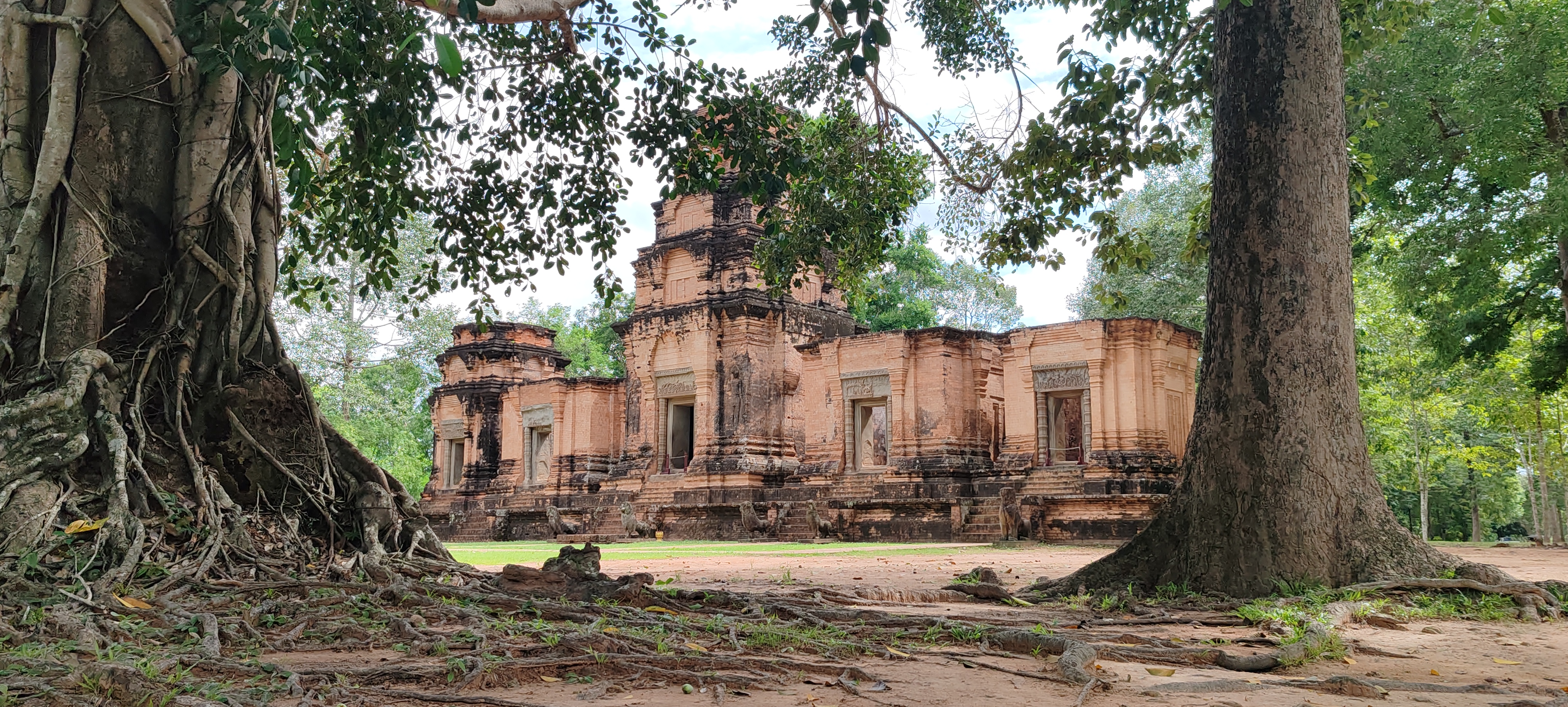
| Preah Ko Temple | Early Angkorian temple with brick towers and carved details | 30–45 minutes |
| Lolei Temple | Historic temple located within the Rolous Group | 30–45 minutes |
| Tonlé Sap Lake | One of Southeast Asia's most important freshwater lake ecosystems | Depends on boat trip |
| Siem Reap city | Restaurants, markets, cafés, and cultural attractions | Flexible |
If you plan to visit the Rolous Group temples on the same day, organize the route carefully and check the applicable Angkor ticket requirements.
Frequently Asked Questions
Is Kampong Phluk worth visiting?
Yes. It offers a different perspective on Cambodia, focusing on local life, traditional housing, fishing, and the Tonlé Sap ecosystem rather than ancient temples.
How far is Kampong Phluk from Siem Reap?
It is approximately 30 km southeast of Siem Reap city. The road journey usually takes around 45–60 minutes, depending on traffic and conditions.
Is Kampong Phluk a real floating village?
Kampong Phluk is a real residential community. It is commonly called a floating village by visitors, but many of its houses are actually built on tall stilts and become surrounded by water during the rainy season.
What is the best month to visit?
August to December is generally a good period for seeing the village surrounded by water and experiencing the flooded forest. October and November are often particularly attractive, depending on annual water levels.
Can I visit Kampong Phluk during the dry season?
Yes. The village remains accessible, but the scenery changes. Water levels become much lower, exposing the tall supporting structures beneath the houses. The flooded forest boat ride may not be available.
How much does the boat tour cost?
A local attraction guide updated in January 2026 lists a small boat at US$20 per boat, an optional flooded forest ride at an additional US$5 per person, and a US$2 per-person eco-tourism fee. Confirm the current total and inclusions before paying.
Is Kampong Phluk included in the Angkor Pass?
No. The village boat trip is arranged separately and is not covered by the Angkor Pass.
Can I visit Kampong Phluk without a tour guide?
Yes. You can arrange transportation independently and organize a boat trip locally. However, a guide can provide useful information about the community, local traditions, and the Tonlé Sap ecosystem.
Is Kampong Phluk suitable for children?
It can be a good family activity. However, children should be supervised carefully around the water and while boarding boats. Ask whether child-sized life jackets are available.
Is Kampong Phluk the same as Chong Kneas?
No. Both are communities around Tonlé Sap Lake, but they are separate destinations. Kampong Phluk is particularly known for its tall stilt houses and flooded forest, while Chong Kneas is another floating-village destination closer to Siem Reap city.
TravelKH Tip
If you want to see Kampong Phluk at its most recognizable, plan your visit when Tonlé Sap's water level is high, generally between August and December.
Don't book a tour based only on the phrase "floating village." Ask whether the flooded forest ride is available, whether the boat price is per person or per boat, and whether the tour reaches the open lake.
Most importantly, remember that Kampong Phluk is a living community. Take time to appreciate the local lifestyle rather than treating the village as just a photography stop.