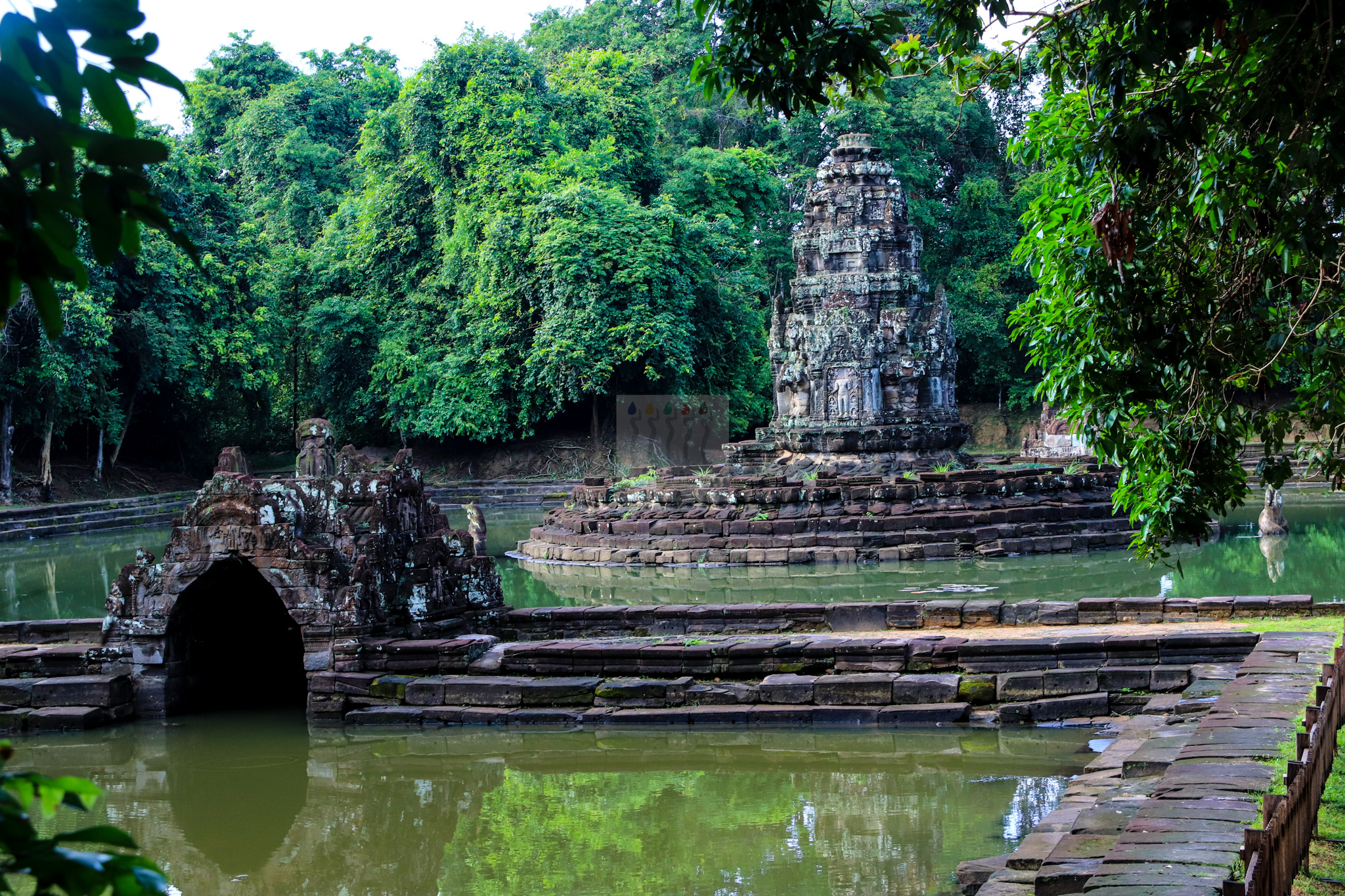
Phnom Bakheng is one of the most memorable places to visit in the Angkor Archaeological Park. Set on a natural hill surrounded by forest, this ancient temple offers visitors a chance to explore early Khmer architecture and enjoy elevated views of the Angkor landscape.
Many travelers come in the late afternoon to watch the sunset. However, Phnom Bakheng is more than a viewpoint: it was once the state temple of an important Khmer capital and remains a fascinating stop for anyone interested in Cambodia’s history.
If you are planning a trip to Siem Reap, here is what to know before visiting Phnom Bakheng.
1. The History of Phnom Bakheng
Phnom Bakheng was built during the reign of King Yasovarman I, who ruled from 889 to 910 AD. The king moved his capital from the Roluos area to Yasodharapura, in the Angkor region, and established Phnom Bakheng as the symbolic center of his new capital.
Originally dedicated to the Hindu god Shiva, the temple was designed as a temple-mountain. Its stepped pyramid represents the sacred Mount Meru in Hindu cosmology, while its central sanctuary once housed a linga associated with Shiva.

The temple complex originally included numerous smaller towers arranged across the base, terraces and summit. Their arrangement reflects the religious and cosmic symbolism used in Khmer architecture.
Phnom Bakheng also experienced religious changes over the centuries and became associated with Buddhist worship. Today, its historical significance and hilltop setting make it an important monument within the Angkor complex.
2. What Makes Phnom Bakheng Special?
A hilltop view of Angkor Wat
The main attraction is the view from the hill and temple summit. Angkor Wat can be seen in the distance, framed by forest, fields and the surrounding archaeological landscape. On clear days, the view is particularly beautiful in the warm light of late afternoon.

A famous sunset destination
Phnom Bakheng is well known as a sunset-viewing spot. The changing light over the forest and Western Baray area creates a different atmosphere from visiting the temples at midday.
Sunset is also the busiest period, so do not expect to have the viewpoint to yourself. Arriving early gives you more time to explore and find an appropriate viewing position.
Ancient Khmer temple architecture
The temple’s five-tiered pyramid, stone stairways and surviving towers reveal the early development of Khmer temple architecture. Its layout predates Angkor Wat by more than two centuries.
A short nature walk
Reaching the temple involves walking uphill through a wooded area. The shaded route can make the approach pleasant, but it is still a physical activity, especially in hot weather.

3. Where Is Phnom Bakheng?
Phnom Bakheng is located inside the Angkor Archaeological Park, north of Angkor Wat and close to the southern area of Angkor Thom.
Location: Angkor Archaeological Park, Siem Reap Province, Cambodia.
Getting there: Most visitors travel by tuk-tuk, private car, bicycle or an organized Angkor tour. You will need to walk uphill from the designated access area to reach the temple.
Allow extra time for the walk and any access controls, especially if you are visiting near sunset.
4. Phnom Bakheng Opening Hours and Entrance Fee
| Visitor information | Details |
|---|---|
| Typical opening hours | 5:00 AM–7:00 PM |
| Best time to visit | Late afternoon for sunset; early morning for a quieter walk |
| Entrance fee | Covered by a valid Angkor Archaeological Park pass; no separate temple ticket is normally required |
| Suggested visit duration | Around 1–2 hours, including the uphill walk |
| Location | Angkor Archaeological Park, Siem Reap |
| Physical effort | Moderate uphill walk with uneven stone surfaces and steps |
Important: Angkor pass prices and eligibility depend on the ticket type. Purchase your pass through Angkor Enterprise, the official ticketing authority. Opening hours, access arrangements and summit restrictions may change, so check the latest information before your visit.
Access to the top of the pyramid is restricted for safety reasons for children under 12 and pregnant women, according to the APSARA National Authority visitor information. Follow all posted instructions and staff directions.
5. Best Time to Visit Phnom Bakheng
Late afternoon: Best for sunset
Plan to arrive well before sunset rather than arriving at the last minute. This gives you time to walk uphill, explore the temple and find a suitable viewing spot.
Sunset times vary throughout the year, so check the local sunset time for your travel date.
Early morning: Best for a quieter visit
Morning can be a good alternative if you prefer cooler temperatures and fewer sunset crowds. You can focus on the temple’s structure and enjoy the forested surroundings without the same pressure to secure a sunset viewpoint.
Best season
Cambodia’s dry season generally offers more comfortable conditions for exploring temple sites, although haze and cloud cover can still affect visibility. During the rainy season, the landscape may be greener, but rain can make stone steps and paths slippery.
There is no guarantee of a clear sunset in any season.
6. What to See and Do at Phnom Bakheng
Explore the temple terraces. Observe the stepped pyramid and surviving stone structures that distinguish Phnom Bakheng from later Angkor temples.
Enjoy the views toward Angkor Wat. Look for the distant temple towers through the surrounding landscape. The eastern side of the summit is known for its view toward Angkor Wat.
Photograph the forest and countryside. The combination of ancient stone, trees and open sky creates opportunities for landscape photography.
Learn about early Angkorian history. A local guide can explain the temple’s connection to King Yasovarman I, the ancient capital of Yasodharapura and Hindu cosmology.
Stay for the changing light. If you are visiting for sunset, allow enough time to enjoy the view safely and follow instructions when leaving the site.
7. Practical Tips for Visiting Phnom Bakheng
- Around 2km in total to walk up & down the mountain (my experience walk is around 12-15min per km)
- Wear comfortable walking shoes with good grip. Some steps and stone surfaces are uneven.
- Bring drinking water, particularly during the hotter months.
- Use sun protection if visiting in the afternoon.
- Arrive early for sunset because visitor access may be controlled when the site is busy.
- Respect barriers and restricted areas. Do not climb on fragile or prohibited sections of the monument.
- Dress respectfully when visiting religious heritage sites. Women shall avoid short shirt since we have to climb up the stairs
- Keep your Angkor pass available for inspection.
- Check the weather forecast before planning a sunset visit.
- Arrange your return transport in advance if you are visiting independently.
- Avoid rushing down the hill in low light; watch your footing and follow the designated route.
8. Places to Visit Near Phnom Bakheng
Phnom Bakheng can be combined with other Angkor temples on the same day, depending on your schedule and ticket validity.
| Nearby attraction | Why visit |
|---|---|
| Angkor Wat | Cambodia’s iconic temple complex, known for its galleries, towers and bas-reliefs |
| Angkor Thom | The former royal city with monumental gates and historic structures |
| Bayon Temple | Famous for its large carved stone faces |
| Baphuon | A striking temple-mountain within Angkor Thom |
| Terrace of the Elephants | A historic royal viewing platform with elaborate carvings |
| Ta Prohm | A temple landscape known for trees growing around ancient stone structures |
Suggested plan: Explore Angkor Thom and Bayon earlier in the day, then visit Phnom Bakheng in the late afternoon if access and your schedule permit. Angkor Wat can be visited separately in the morning or on another day to avoid rushing between sites.
9. Suggested Phnom Bakheng Itinerary
| Time | Activity |
|---|---|
| 3:00 PM | Finish visiting another nearby Angkor temple or travel toward Phnom Bakheng |
| 3:30 PM | Arrive at the access area and begin the uphill walk |
| 4:00 PM | Explore the temple and enjoy the views |
| Before sunset | Find a safe viewing position and take photographs |
| After sunset | Leave carefully and return to your accommodation or dinner in Siem Reap |
These times are a sample schedule, not fixed entry times. Adjust your arrival based on the season, sunset time, crowd levels and any access restrictions.
10. Frequently Asked Questions
Is Phnom Bakheng worth visiting?
Yes, especially if you enjoy ancient Khmer architecture, elevated landscapes and sunset photography. It is also historically important as an early state temple of the Angkor region.
Can you see Angkor Wat from Phnom Bakheng?
Yes. Angkor Wat can be seen in the distance from the hilltop, although visibility depends on weather, haze and your viewing position.
Do you need a separate ticket for Phnom Bakheng?
A valid Angkor Archaeological Park pass normally covers the visit. Confirm the applicable ticket requirements with Angkor Enterprise before travelling.
How long does it take to visit Phnom Bakheng?
Allow around one to two hours for the uphill walk, exploring the temple and enjoying the view. A sunset visit may take longer if you arrive early or need to wait for access.
Is Phnom Bakheng suitable for children or older visitors?
The uphill walk, uneven surfaces and steep stone steps may be challenging for some visitors. Access to the pyramid summit is restricted for children under 12 and pregnant women under APSARA visitor guidance. Visitors with mobility concerns should consider whether the route is suitable before setting out.
Is Phnom Bakheng better at sunrise or sunset?
Sunset is the best-known experience, but it is also the busier period. Morning is worth considering if you prefer cooler temperatures and a quieter visit.
Can I visit Phnom Bakheng without a tour guide?
Yes, you can visit independently if you have the required Angkor pass and follow the site’s access rules. A guide is useful if you want a deeper understanding of the temple’s history and symbolism.
TravelKH Tip
Do not plan your entire visit around the sunset alone. Arrive early enough to appreciate Phnom Bakheng’s history, temple structure and forest setting. If the sky is cloudy, the ancient architecture and views across the Angkor landscape can still make the visit worthwhile.
Before leaving, check the latest opening hours and access guidance from the APSARA National Authority and confirm your Angkor pass through Angkor Enterprise.